或者,如果收件人在LinkedIn或其他社交媒体上分享了一些更新,请随时祝贺他们的最新成就(个人和专业)。您可以说类似*“Congratulations on your promotion”或“Congratulations, it’s exciting to see [收件人公司] acquire such an important client like [公司].’*的话。
4. 感谢语(可选)
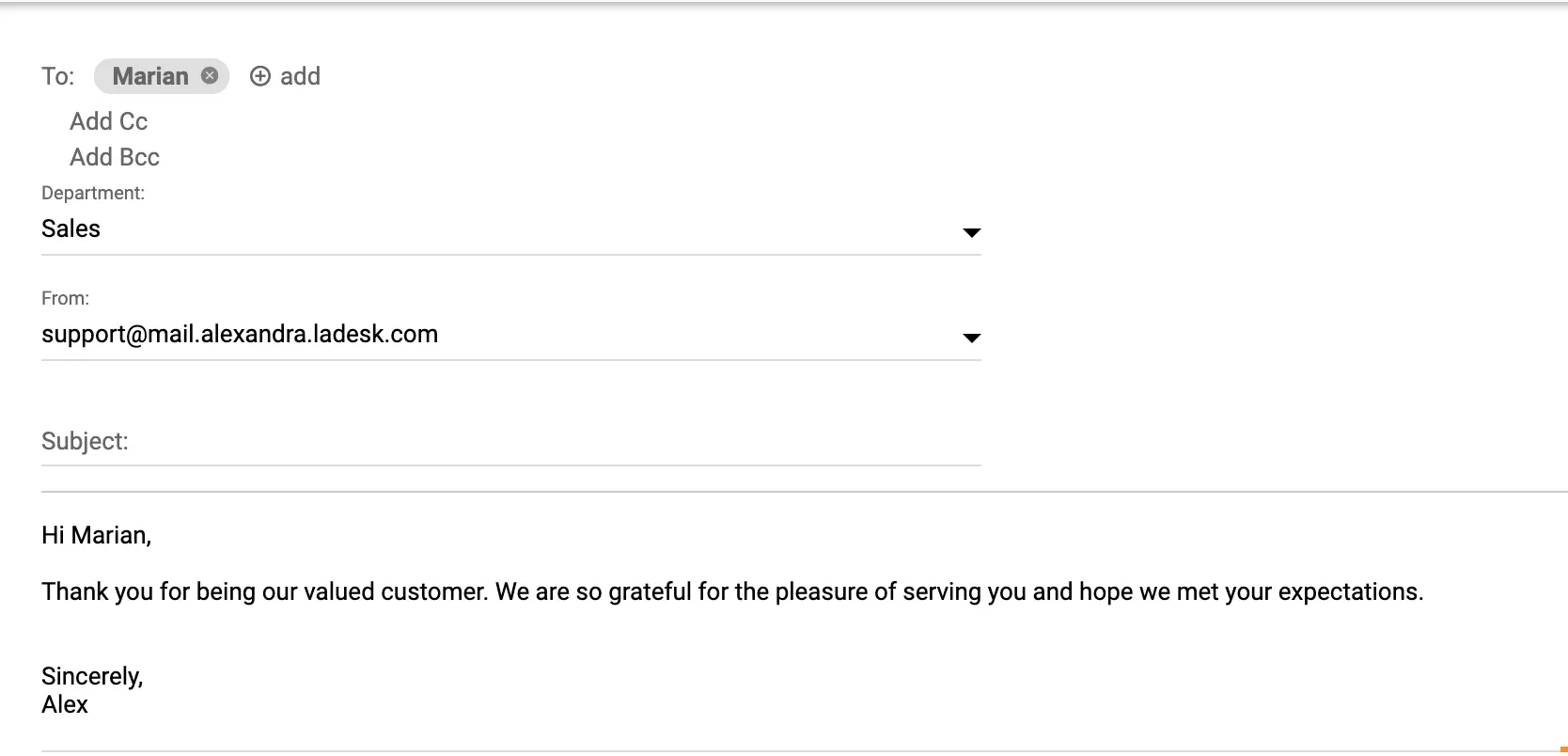
根据上下文,您可以在电子邮件信函中添加一条简短的"感谢"语。例如,如果您的潜在客户/客户已与您联系进行询问,*“Thank you for reaching out”或“Thank you for contacting [公司]"*是必须的。但是,每当您添加感谢便条时,重要的是使其个性化,因为标准感谢便条(如上所述)有点太通用,可能会显得冷漠或疏远。
通过简单地在感谢语之前添加一个名字,该消息听起来会更温暖和邀请。这是一个例子:“Emily, thank you so much for contacting [公司] and for raising this issue. You’re absolutely right…'
Join our newsletter
The latest tips and deals delivered straight to your inbox.
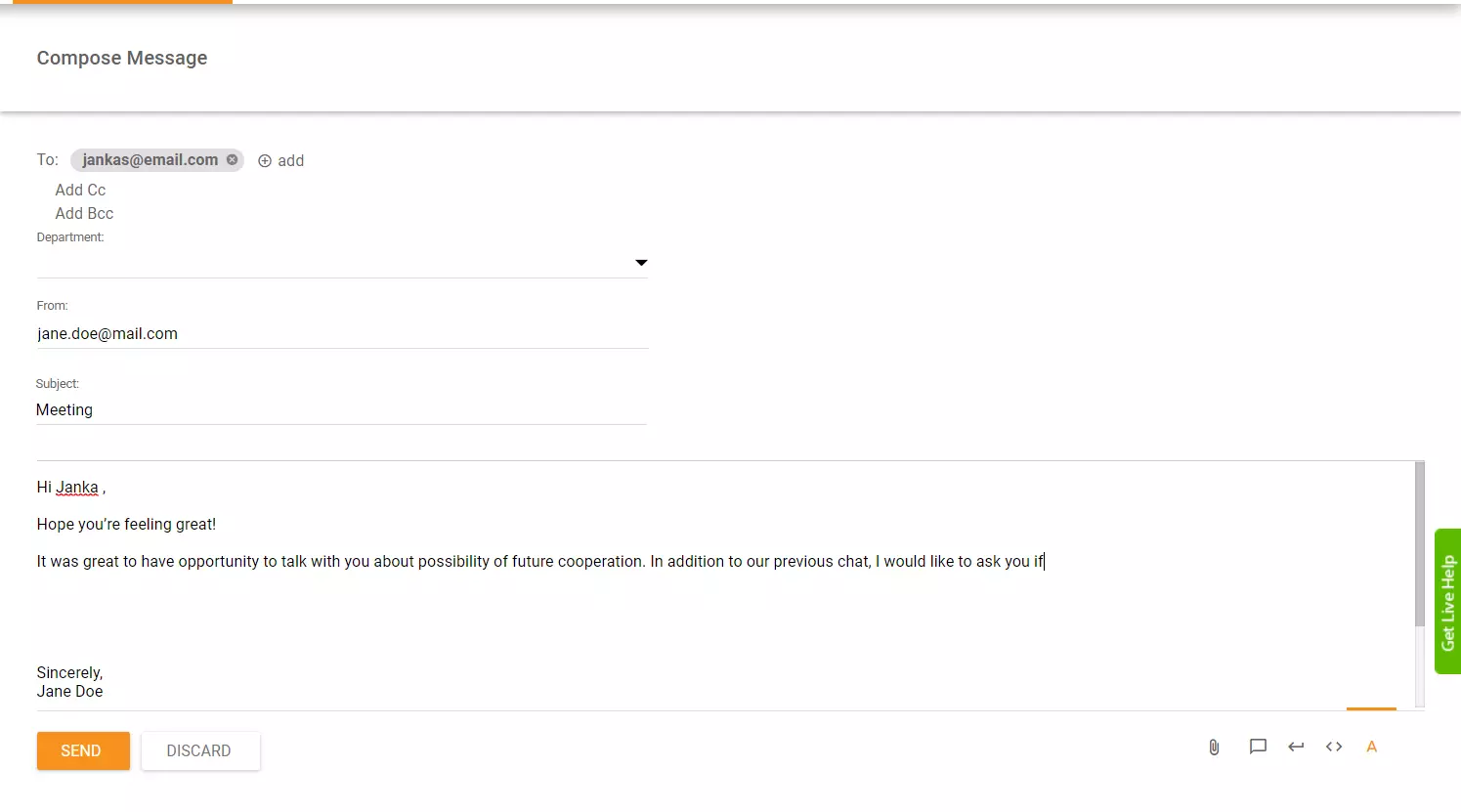
‘My name is [名字], and I am the marketing director for [公司]. [共同联系人] recommended that I get in touch with you regarding …"
“My name is [名字], and I’ll keep this quick. I’m the founder of a software tool that helps businesses like yours achieve [具体目标] through [产品优势].'
“My name is [名字] and we work with companies like [公司1], [公司2], and [公司3] to improve their [销售/营销工作/客户服务等].”
“[名字] from [公司] here. I saw you recently [visited our website/ downloaded a whitepaper等]. I’ve worked with similar companies in [领域/行业] and I thought I’d reach out.'
“My name is [名字] and I’m with [公司]. We have recently launched a new solution that [您的解决方案的作用]. Based on your online profile [个人资料链接], it appears that you might be the right person to talk about [您的产品解决的问题].'
“I trust that you have had an opportunity to read my previous email and look at our website, so I figured it’d be worth checking in with you again.'
“I sent you an email a while ago about [公司] and how I think we could be a great fit for you and [公司]. Did you know that our clients report [a **% increase] in [销售] when they use our [软件/平台/工具]?”
“I hope I’m not overstepping, but I see that you have read my previous email and visited our site (the wonders of modern technology). I think this will be a good time for us to take the conversation further. What do you think? Are you available for a quick call on [日期和时间]?'
“I know how busy you must be managing your team and helping them increase [工作职能]. I sent you some information about [产品] a while ago and I thought this might be a good time to give you a practical demonstration.”
“I’m writing to follow up on my email as I didn’t hear back from anyone on the team. As I stated in my previous message, I believe [产品] can greatly improve how you do [您的产品帮助的内容].'
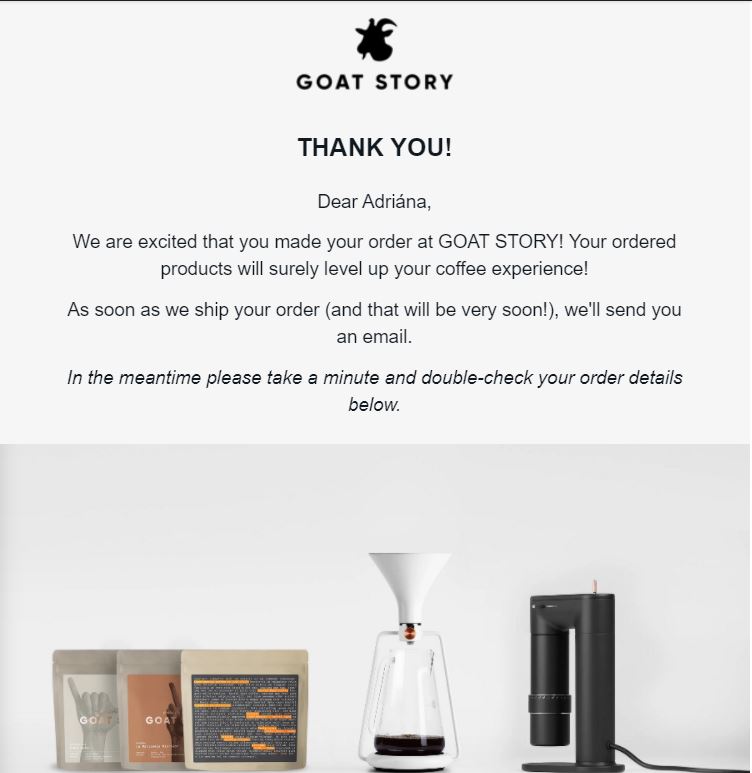
“Thank you for your recent purchase with us! I hope you’re enjoying your [产品/服务].'
“Welcome to [公司]! We’re feeling pretty lucky that you chose us, and I just wanted to say thank you on behalf of our whole company.'
“I’m [名字], the founder of [公司] and I’d like to personally thank you for signing up for our service.'
“Welcome to [产品/公司]. We’re thrilled to see you here! I’ll be your guide during this onboarding period, and my goal is to ensure you have a positive experience and get the most out of our [产品/服务].'
“Welcome to [品牌]! We’re excited to have you on board and we can’t wait for you to start using [产品/服务] and seeing results.'
“Thanks for reaching out! I’d be more than happy to help you.'
“Thank you for contacting [公司]. My name is [名字] and it would be my pleasure to assist you with …”
“Thank you for writing to us today. I’d be happy to answer those questions for you …'
“Thank you for your inquiry about […]. I’m really sorry to hear that you can’t […] I’m escalating your issue so that someone can take a closer look at what’s going on right away.…'
“Thank you for writing in. This message is to confirm that we’ve received your request, and will be in touch within ** hours with a complete response.'
如果您想了解更多,请查看客户服务模板。
如何开始客户道歉电子邮件
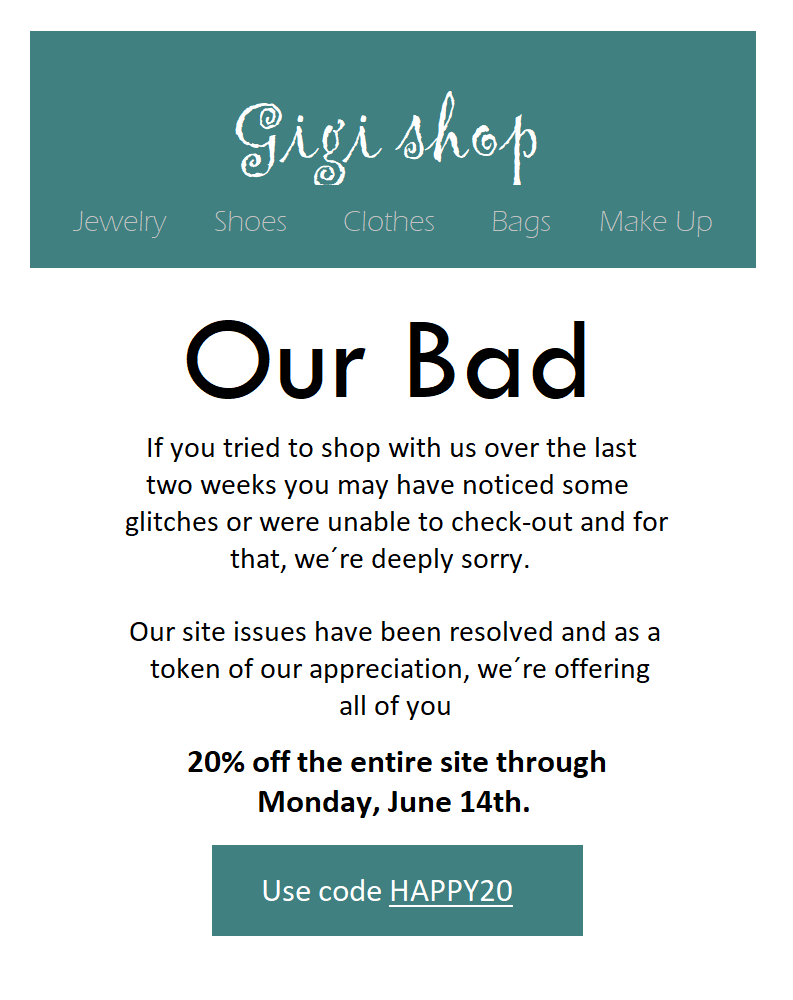
在回复愤怒或不满的客户时,请确保展示同情心并代表您的业务发送道歉电子邮件。以下是您可以做到的方式:
“Thanks so much for reaching out about order #[编号]. I’m so sorry the product hasn’t worked out for you.'
“I’m so sorry that you had a negative experience with [产品/服务/公司部门]. I’ve looked into the issue, and it seems that [简要解释他们不良体验的原因].'
“I am so sorry to hear that you have had such a poor experience with us. Although we strive for 100% customer satisfaction, it’s clear we’ve fallen short in this instance – and that’s unacceptable.'
“I am so sorry to hear that [他们不良体验的简要总结]. That should have never happened, and I completely understand how frustrating this must be for you.”
“Thank you for providing us this feedback. I realize how frustrating it must be to [问题的详细信息]. We obviously failed this time, and for that, we are very sorry.”